
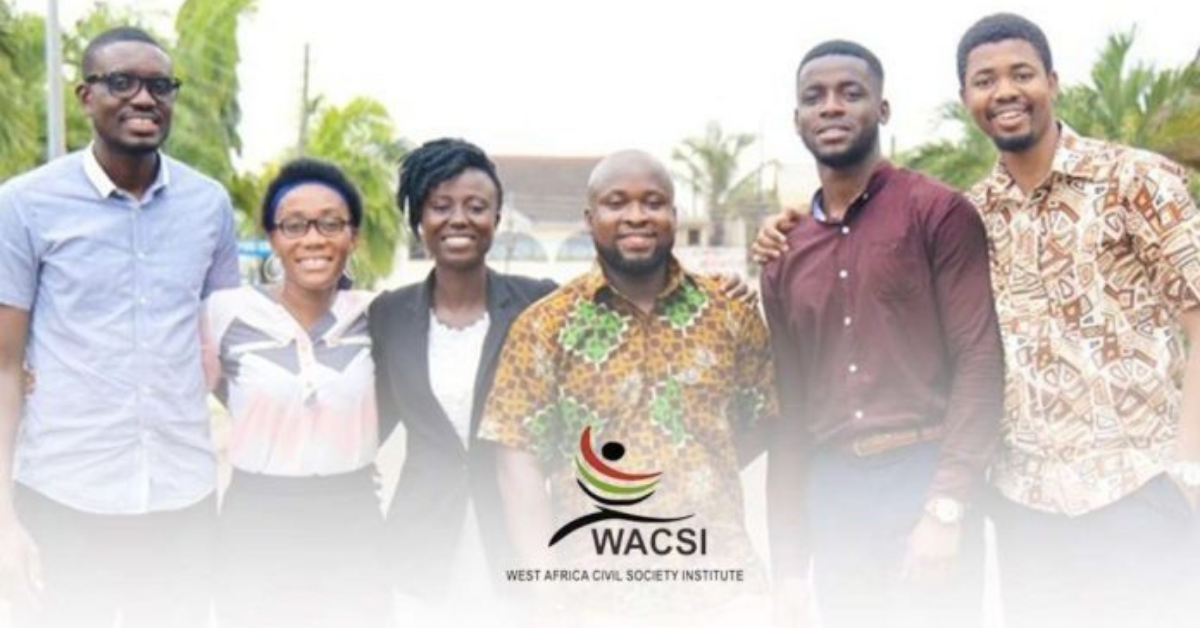
Apply for the West Africa Civil Society Institute | WACSI Research Fellowship 2026. Open to young researchers from Ghana, Nigeria, Liberia, Senegal, and Guinea Conakry. Six-month funded fellowship (May–October 2026) focusing on indigenous knowledge, biodiversity, and civil society development. Deadline: 13 March 2026.
The West Africa Civil Society Institute (WACSI) has officially opened applications for its 2026 Research Fellowship Programme, a six-month capacity-building opportunity for young researchers across West Africa.
The fellowship will run from May to October 2026 and is designed to strengthen research, analytical, and documentation skills while contributing to civil society development in the region.
This year’s thematic focus prioritizes indigenous knowledge in biodiversity and conservation, highlighting community practices and civil society contributions that can be replicated to promote sustainable development.
Application Deadline: 13 March 2026
Fellowship Duration: May – October 2026 (6 months)
Eligible Countries: Ghana, Guinea Conakry, Liberia, Nigeria, Senegal
About WACSI
WACSI serves as a regional resource hub dedicated to:
- Strengthening institutional and operational capacities of civil society organizations (CSOs)
- Supporting research and documentation
- Promoting knowledge sharing and policy dialogue
- Enhancing sustainable development across West Africa
The Research Fellowship Programme is part of WACSI’s commitment to nurturing emerging scholars and building the next generation of civil society researchers.
2026 Research Theme: Indigenous Knowledge in Biodiversity & Conservation
The 2026 fellowship prioritizes research that documents:
- Indigenous knowledge systems
- Traditional environmental practices
- Community-led conservation models
- Civil society advocacy in climate action
- Replicable biodiversity development frameworks
Indigenous knowledge refers to traditional systems, practices, and innovations passed down through generations within communities. Fellows will explore how CSOs can integrate this knowledge into advocacy, policy influence, and climate resilience strategies.
Research Focus Areas
Applicants are encouraged to submit proposals related to:
- Leadership and governance for CSOs
- Technology for development
- Resource mobilization
- Civil society sustainability
- Working practices and internal systems
- Human resource management
- Enabling environment for civil society
- Community engagement
- Equitable partnerships between CSOs and donors
- Capacity strengthening in West Africa
Eligibility Criteria for West Africa Civil Society Institute (WACSI) Research Fellowship 2026 – Fully Funded Opportunity for Young Researchers in West Africa
Applicants must:
- Be from Ghana, Guinea Conakry, Liberia, Nigeria, or Senegal
- Demonstrate strong analytical and independent research skills
- Show clear relevance between their research topic and biodiversity/conservation
- Be fluent in English and/or French
- Have interest in civil society development
Current staff of organizations participating in biodiversity capacity strengthening programmes are encouraged to apply, but the fellowship is also open to other qualified young researchers.
Fellowship Benefits
Selected fellows will receive:
- Monthly stipend
- Research allowance
- Mentorship from experienced professionals
- Publication opportunity on WACSI’s platform
- At least one publishable research output (Issue Paper, Op-Ed, or policy brief)
- Development of at least one WACSeries publication
- Free access to WACSI publications
- Networking opportunities within the civil society sector
The fellowship offers both financial and professional development benefits.
Expected Deliverables
Fellows are required to:
- Contribute to ongoing WACSI research initiatives
- Publish at least one article on best practices or case studies within biodiversity and conservation
Fellowship Timeline
- 23 February 2026 – Application opens
- 13 March 2026 – Application deadline
- 27 March 2026 – Shortlist notification
- 02 April 2026 – Interviews
- 09 April 2026 – Final selection feedback
- 04 May 2026 – Fellowship begins
Required Application Documents
Applicants must submit:
- Motivation letter (stating theme and preferred duration)
- Curriculum Vitae (CV)
- One-page research synopsis explaining approach and deliverables
- Sample of authored article or research paper
Applications must be emailed to:
Deadline: 13 March 2026
Testimonials from Previous Fellows
Former fellows highlight:
- Significant improvement in research and analytical skills
- Valuable mentorship and guidance
- Opportunities to publish and contribute to civil society discourse
- Enhanced professional networks across West Africa
Why You Should Apply
The WACSI Research Fellowship 2026 provides a unique platform for young West African researchers to:
- Build expertise in biodiversity and conservation research
- Publish internationally recognized work
- Gain mentorship and sector exposure
- Strengthen civil society documentation in the region
If you are passionate about environmental sustainability, indigenous knowledge, and civil society development, this fellowship offers a strategic opportunity to advance your research career.
SEO Keywords
WACSI Research Fellowship 2026, West Africa research fellowship, biodiversity fellowship Africa 2026, indigenous knowledge research grant, civil society fellowship West Africa, Ghana research fellowship 2026, Nigeria conservation fellowship, Liberia Senegal Guinea research programme
For more opportunities like these, be sure to follow us on Facebook, join our WhatsApp Group and Channel
Related Opportunities on Reign Gigs
- UNDP 100% Remote Volunteer Assignments 2026 – Paid & Fully Funded
- Mercy Corps Global Fellowship 2026 – Fully Funded Training + Monthly Stipend
- UNICEF Remote Internship 2026 – Paid International Opportunities
- Global Fellowships & Skills Training Programs 2025